Artificial intelligence might sound futuristic, but chances are, you’ve already interacted with it several times today without realizing it. From your phone’s autocorrect to your morning playlist, AI quietly shapes your routines, learns your habits, and even predicts your next move. It’s not science fiction anymore—it’s the invisible infrastructure of modern life.
AI doesn’t always look like a robot or a talking assistant. Sometimes, it’s a silent algorithm, running in the background, making the world a little more personalized and a lot more automated.
Your Phone Knows You Better Than You Think
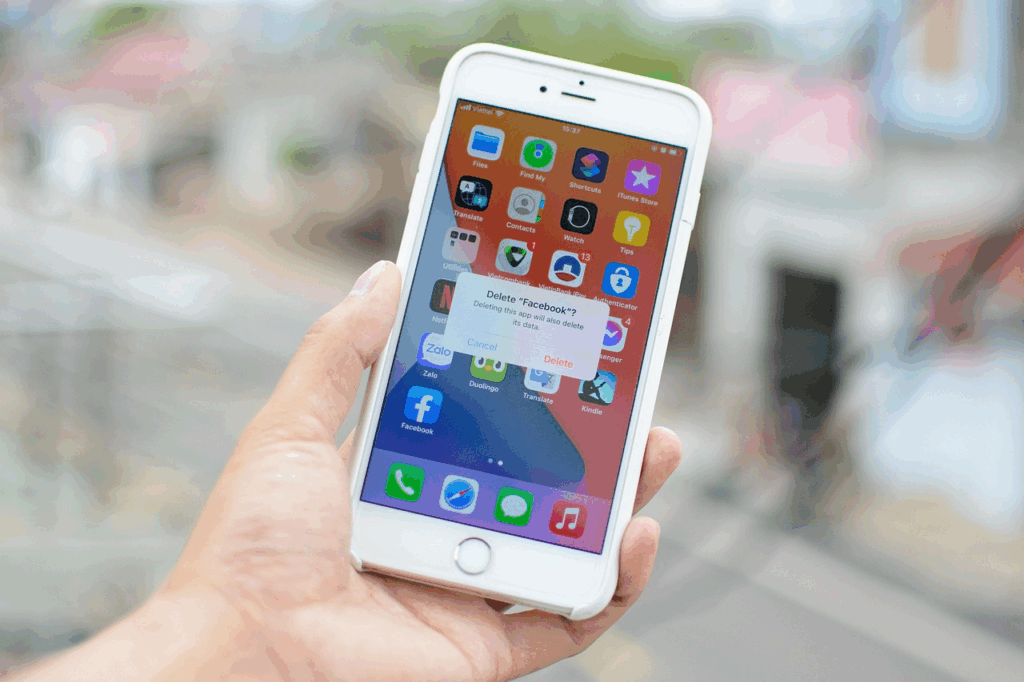
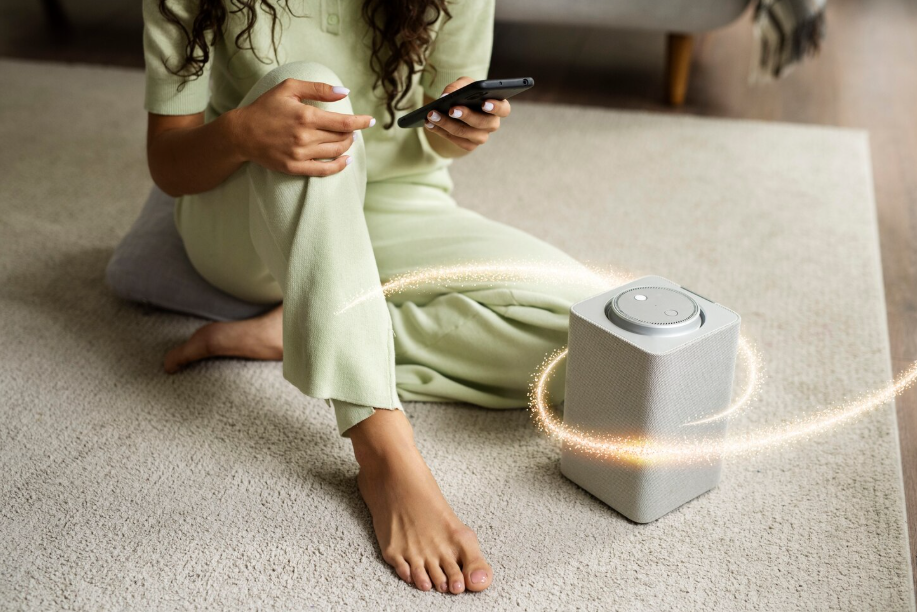
If you carry a smartphone, you have AI in your pocket. Every time you text, your device predicts your words through natural language processing. Voice assistants like Siri, Alexa, and Google Assistant rely on speech recognition and machine learning to interpret commands and learn your preferences over time.
Even your camera uses AI. It automatically adjusts lighting, identifies faces, and blurs backgrounds. Photo apps can categorize your memories by person or location without you ever having to tag them. And when you scroll social media, AI curates your feed, selecting posts most likely to capture your attention.
That invisible guidance makes life easier, but also subtly manipulates it. The same systems that surface your favorite photos or videos are also optimizing for engagement, which can amplify addictive habits or bias your worldview. In short: your phone doesn’t just know what you like—it helps decide what you want.
See How Algorithms Decide What You’ll See Next for a quick look at how feeds learn your preferences.
Smarter Homes, Smarter Worlds
Beyond screens, AI is quietly managing your physical environment. Smart thermostats like Nest learn your routine and automatically adjust heating or cooling. Voice-controlled lights, robot vacuums, and even refrigerators now use AI to anticipate behavior, reduce energy waste, and improve convenience.
Cities are getting smarter, too. AI analyzes traffic patterns to control traffic lights, predicts bridge maintenance needs, and helps emergency services respond faster. Some hospitals use AI to scan medical images for early signs of disease with accuracy that rivals human doctors. These systems don’t replace expertise. They amplify it by catching details that humans might miss.
Meanwhile, the retail and entertainment industries depend on AI to tailor experiences. Netflix’s recommendations, Amazon’s “You might also like…” section, and Spotify’s “Discover Weekly” playlists all use algorithms that track patterns across millions of users to deliver content uniquely suited to you.
Check out The Tiny Computers Inside Everyday Objects to see how sensors make devices feel “smart.”
When AI Gets Personal
One of AI’s most fascinating (and unnerving) traits is its ability to learn and adapt from data. Fitness trackers monitor your steps, sleep, and heart rate to help you adopt better health habits. Banks use AI to detect fraud by spotting unusual spending behavior. Email filters learn what you consider spam and refine themselves accordingly.
But personalization comes at a cost: data privacy. The same algorithms that make life convenient rely on intimate details about your behavior, often stored in corporate databases. That trade-off—between efficiency and privacy—is one of the defining dilemmas of the AI era.
Ethicists warn that as AI becomes more entwined with daily life, its influence over human choices will deepen. Recommendation engines can nudge opinions, shopping patterns, and even political beliefs. The danger isn’t that AI will take over. It’s that we’ll stop noticing it already has.
Explore The AI That Paints, Writes, and Dreams: What It Means for Creativity and see how generative tools are changing what we make.
The Hidden Future Inside the Everyday
AI’s presence is growing in subtle ways. Farmers use it to monitor crops, teachers use it to personalize lessons, and musicians use it to generate new sounds. Cars park themselves, translations happen in real time, and factories adjust production on the fly.
Within a few years, AI won’t feel like technology. It’ll feel like background noise, woven into everything we do. The next frontier won’t be making AI smarter, but making humans more aware of how it’s already shaping their world.
Artificial intelligence isn’t coming; it’s here. And while it may never fully replace human intuition, it’s becoming the quiet companion of our daily lives—one that listens, learns, and never sleeps.