You wake up with this crystal-clear image of a street you’ve never walked, a house with rooms that shouldn’t exist, or a landscape at once familiar and impossible. If you have ever wondered why sometimes you dream about places you have never visited, you’re not alone.
Neuroscientists estimate that 80% of people regularly have dreams against the backdrop of completely unfamiliar locations. Your brain is not just generating random scenery; it is actually building elaborate geographies by combining fragments of memory, imagination, and hidden desires into new worlds.
How Your Brain Builds Impossible Dream Geography
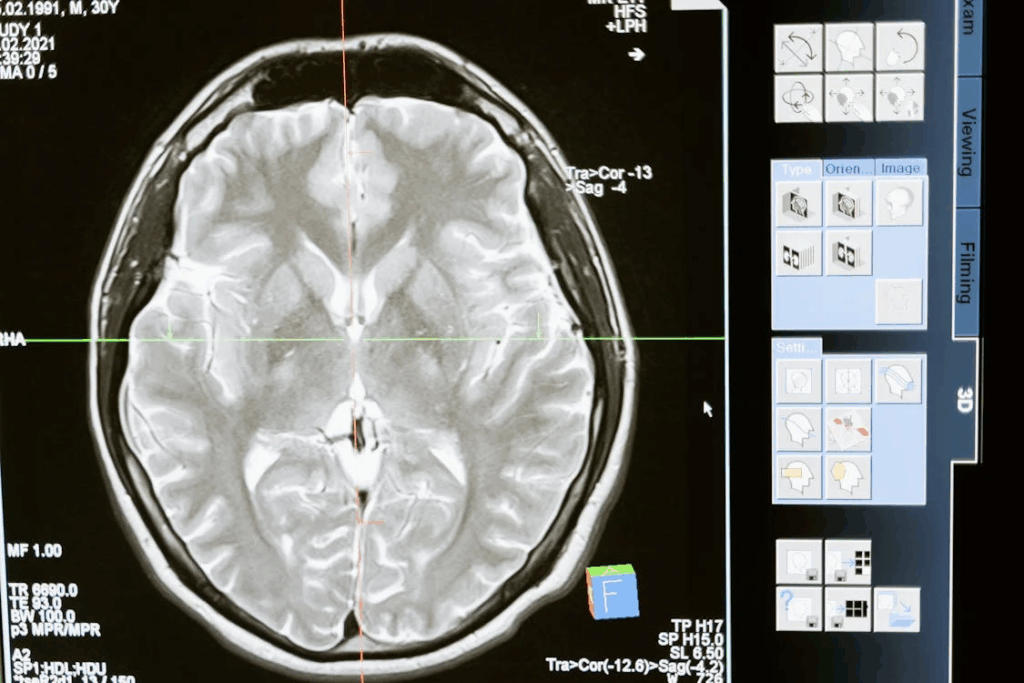
During sleep, the hippocampus-the brain’s memory center-works very differently from its work while awake: instead of using memories consecutively, it remixes spatial information about dozens of real places you have been through in your life.
This is because, during REM sleep, the brain’s visual cortex is highly active, and the prefrontal cortex, which moderates logic, powers down, according to UC Berkeley sleep scientist Dr. Matthew Walker. This forms the perfect conditions under which dream geography can emerge.
Main operating mechanisms:
- Fragments of childhood memories, movie scenes, photos, and fleeting glimpses merge.
- Spatial recombination refers to taking elements such as “grandmother’s wallpaper” and attaching them to an “office building layout.”
- Affective mapping locates feelings in places, producing space as a representation of mental states rather than as an actual coordinate.
Your brain is much like an architect, and it doesn’t have a blueprint for building places that, at the time, may seem perfect but then dissolve into impossibility upon waking.
Read More: The Hidden History of Everyday Superstitions
Subconscious Desires Shape Dream Locations
Places of our dreams aren’t an accident; they are actually symbolic. As Carl Jung, a renowned psychologist, has noted, dream locations reflect aspects of one’s self; each room, landscape, or structure represents an internal emotional territory.
The International Association for the Study of Dreams reports that people who experience a major life transition dream of going to unfamiliar places 40 percent more frequently. Frequently moving to unfamiliar dream locations may be a signal that your subconscious is processing change, exploring possibilities, or working through unresolved feelings.
Example: While a person who feels trapped in a career might dream of endless hallways with locked doors, a person anticipating good changes could dream about finding hidden rooms in well-known houses. Hidden rooms stand for hidden potentials. Impossible geographies become the canvas of your sleeping mind, where your emotions are processed. That beach that connects right to your childhood school? It may be connecting feelings of freedom to the learning process. The city that shifts architecture as you walk? Perhaps it represents how unstable you perceive a situation in your real life to be. The functions in consumer.py represent the consumers we want to trigger.
A deeper understanding of why we dream about places we have never been really shows just how creative and symbolic our sleeping minds can be. Your brain isn’t malfunctioning when it conjures up impossible cities or familiar yet distorted landscapes; it’s working out memories, emotions, and desires through spatial metaphors.
These dream locations are part of a unique language that your subconscious mind uses for working through experiences and feelings. Next time you wake up from a vivid dream with some unknown place in your mind, try thinking about what that geography might be trying to communicate. Keep a dream journal to track recurring locations and find patterns in your subconscious landscape.