
Spend a week in Ireland, and you might find yourself saying “grand” with a soft lilt. Travel to the American South, and suddenly “y’all” feels like a natural fit. There’s a reason: understand how accents form, and you’ll see why your brain automatically mimics the speech patterns around you-even when you’re consciously trying not to.
Linguists refer to the phenomenon as phonetic convergence, and it happens a lot more quickly than most people realize. Researchers at Northwestern University claim that travelers start unconsciously readjusting their vowel sounds within hours of immersion. Your accent isn’t set in stone, but rather is in constant flux depending on whom you’re speaking with and where you happen to be. It can be argued that the differences between Americans and Europeans begin right at birth.
Neurobiological processes underlying accent mimicry
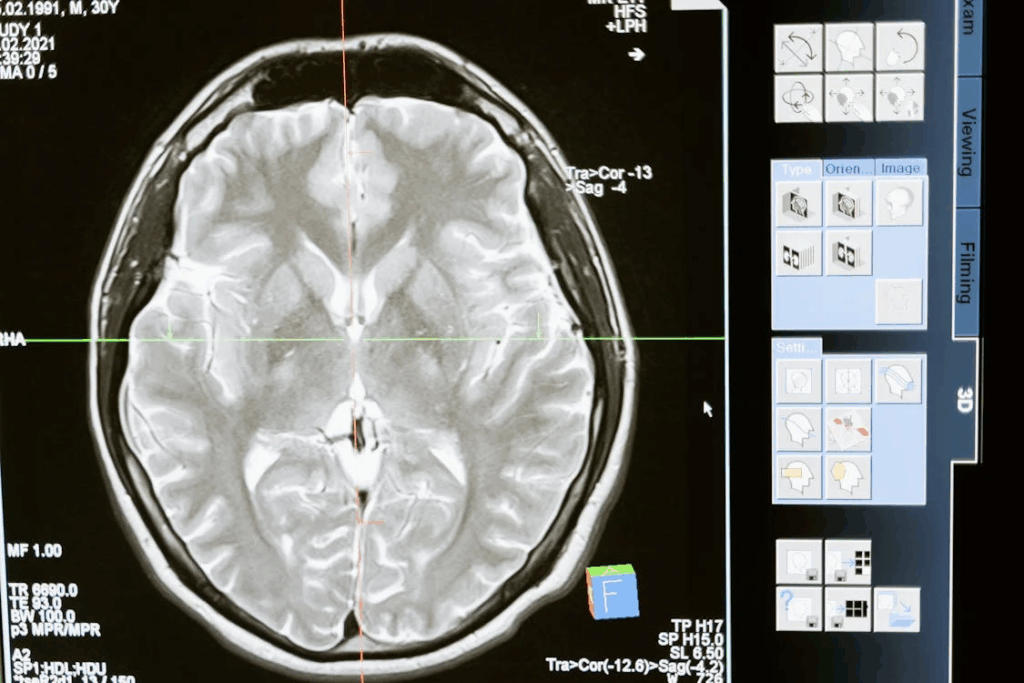
Accent mimicry occurs because special mirror neurons within your brain are charged to replicate observed behaviors, including speech. When you’re listening to a person, neurons fire in patterns just like they would if someone were producing those sounds themselves.
Dr. Jennifer Pardo, of Montclair State University, found that conversation partners unconsciously align their speech rates, pitch patterns, and even breathing rhythms within minutes. The unconscious convergence of acoustic features occurs within the motor cortex before it enters our consciousness; you’re already adjusting your accent before you know it.
Key neurological factors in accent adaptation:
- Similarly, mirror neurons fire on hearing unaccustomed phonetic patterns.
- Motor cortex plasticity enables the rapid adjustment of new mouth positions and tongue placements.
- Auditory feedback loops constantly compare your output to surrounding speech and make micro-adjustments.
Children pick up accents quickly because their neural pathways are still highly plastic; however, adults retain remarkable flexibility. Studies show that people under 40 years of age can attain near-native pronunciation with sufficient immersion.
Read More: Can Plants Communicate? The Science Behind the Idea
Social Belonging and Unconscious Speech Accommodation
It is not a strictly mechanical process of how an accent forms; social psychology plays an equally powerful role. Accent matching sends subconscious signals to your brain: “I’m like you,” through speech convergence. A study from Penn State University found that the stronger a person’s degree of empathy, the stronger their ability to mimic accents. If you are feeling socially connected or trying to fit in, your speaking pattern changes significantly. On the other hand, convergence is resisted by speakers who preserve their distinctive identity, either consciously or unconsciously.
The same thing happens with immigrants; they usually develop some kind of hybrid accents that reflect both their place of origin and their current setting. That could explain why you unconsciously use a speech pattern from your new colleague but go back to your old accent when at home with your family. Such eventualities reveal how your accent was formed through the interplay between neural plasticity and social bonding, and explain why speech patterns seem both deeply personal and remarkably fluid at the same time.
Your accent is the living map of all the places you have been and every person you have spoken with. Next time you catch yourself unconsciously replicating someone else’s pronunciation or rhythm, let your recognition be that your brain is doing all those complex social and linguistic processes. Accent mimicry isn’t fake; it’s your neurology attempting connection via the most human tool we happen to possess: language.