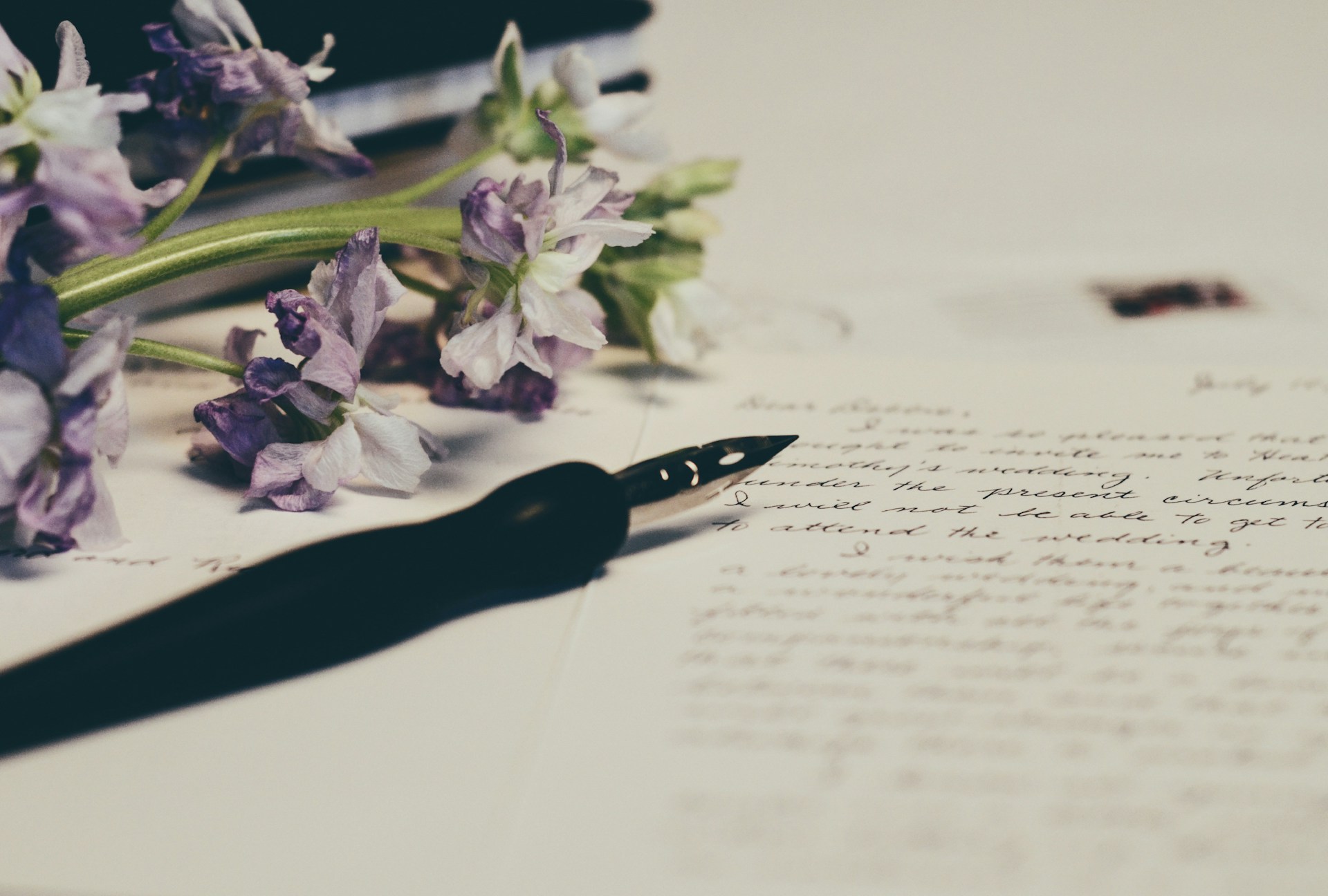
How long has it been since you got a handwritten letter, not just a birthday card with a hasty signature, but paragraphs written in ink, folded into an envelope, and sent via the postal service?
The lost art of letter writing was supposed to end up in museums, replaced by instant messages and emails. But something surprising is happening: Sales of stationery rose 15% between 2020 and 2023, while pen companies describe their best growth in decades. After years of digital hegemony, people are rediscovering why putting pen to paper creates an emotional connection that screens simply can’t.
Why Handwritten Letters Hold a Special Emotional Power
The thing with handwritten letters is that they carry something digital messages never will: the physical proof that somebody invested irretrievable time precisely for you. According to one psychologist, Dr. Amie Gordon of the University of California, recipients of handwritten notes reported feeling much more valued and emotionally connected than those receiving equivalent digital messages.
Handwriting involves a different set of neural pathways than typing does. Your brain processes the physical formation of each letter, the feel of the pen on paper, and the slow pace involved in the process. It is this more laboured process that provides deeper emotional encoding for both writer and reader.
The key emotional elements in letters include:
- Tactile presence of another human being’s handwriting, pressure patterns, and crossed-out thoughts.
- Permanence that is revisitable, in contrast to the disappearance of digital threads in inboxes.
- Intentionality conveyed through labor expended: no auto-correct, no backspace, no instant send
A text takes seconds; a letter takes consideration. That difference gets across care in ways that our brains intuitively understand.
Read More: The Surprising Origins of Common Food Combos
Digital Fatigue Drives the Quiet Revival
We are immersed in digital communication, yet remain disconnected from one another. Research by Radicati Group shows the average person receives 121 emails daily. Messages blend together in a stream of endless scrolling, each demanding immediate attention, none feeling particularly meaningful.
In its wake, digital fatigue has allowed for the resurgence of letter writing. Smaller, independent stationery shops are reporting that customers in their younger demographics are discovering letter writing for the first time, drawn to its deliberate slowness in an exhaustingly fast world.
Emma Thompson is a 28-year-old designer living in Portland who began writing letters to her grandmother during the pandemic. “I have hundreds of her texts I’ve never reread,” she says. “But I’ve kept every letter. There’s something about seeing her shaky handwriting that makes me feel her presence in a way FaceTime never did.” It is about reclaiming those moments that require more than just typing speed and a send button.
The art of letter writing isn’t returning as a form of nostalgia; it’s returning because, finally, we have learned what digital communication costs. In our race for instant connection, we sacrificed the irreplaceable emotional weight of deliberate, tangible correspondence. And as digital fatigue mounts, more find that the slowness of letter writing isn’t a bug, but the feature we’ve been missing.
Consider writing one letter this month to someone who matters. Take pen over keyboard, envelope over email, and watch how differently both of you feel when meaning arrives by hand.
Read More: The Secret Symbols Hidden in Medieval Art