
In a world that glorifies busyness, the idea of doing nothing feels almost rebellious. Yet for most of human history, stillness was not laziness. It was wisdom. Ancient philosophers, poets, and monks across cultures viewed rest as essential for clarity, creativity, and balance.
Today, neuroscience is catching up to what ancient traditions already knew: sometimes the best way to move forward is to stop moving at all and notice the benefits of stillness.
When Idleness Was a Virtue
Long before “hustle culture,” doing nothing was considered an art form. The ancient Greeks called it scholé, the root of our word “school,” which initially meant “leisure devoted to learning.” For thinkers like Aristotle, contemplation wasn’t wasted time; it was the highest human activity.
In ancient China, the Taoist concept of wu wei, which means “non-doing,” taught that harmony comes from aligning with the natural flow of life rather than forcing outcomes. The idea wasn’t passivity, but effortless action: doing only what’s needed, when it’s needed.
Medieval monks practiced structured idleness, setting aside hours for silence and prayer. In Renaissance Europe, philosophers praised otium, the cultivated leisure for reflection and art. Across these traditions, rest wasn’t avoidance—it was a path to understanding.
Check out The Rise of Cozy Culture: Why Everyone’s Obsessed with Comfort for how slower living is a modern value.
What Happens When We Stop
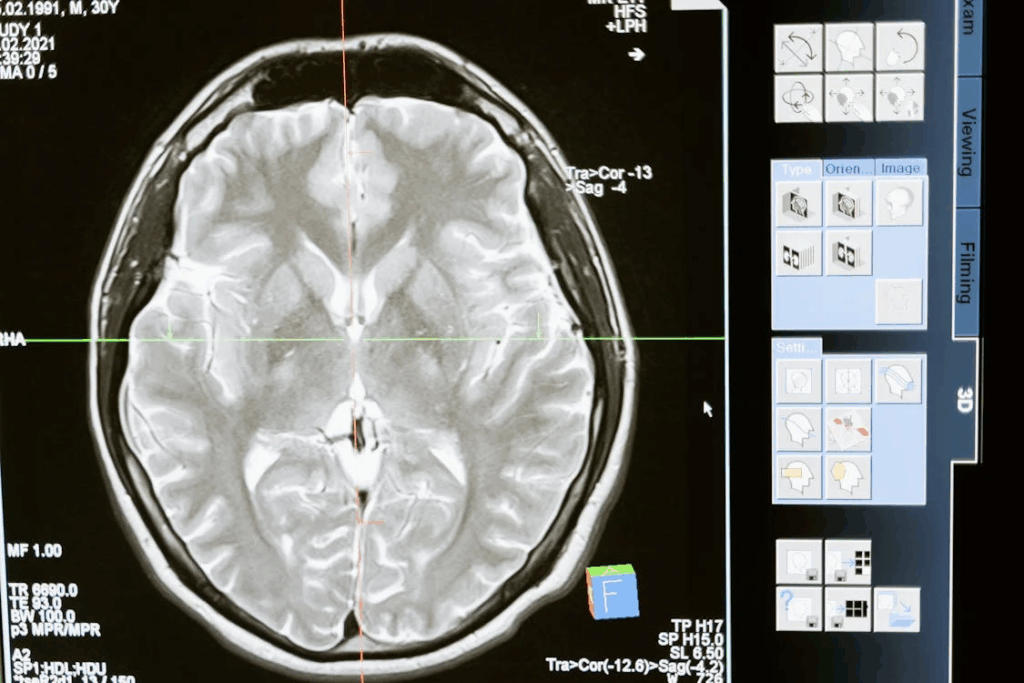
Modern science now confirms what the ancients sensed intuitively. When the body is still and the mind wanders, the default mode network in the brain becomes active. This system, responsible for self-reflection and creativity, lights up during daydreaming and quiet contemplation. It’s when connections form, problems resolve, and ideas bloom.
Ironically, by doing nothing, the brain does some of its best work. Studies show that short periods of mental rest improve memory, boost problem-solving, and even enhance empathy. When we constantly multitask or scroll, we block these deeper processes from occurring.
Yet in modern culture, idleness often feels guilty. We equate rest with weakness and productivity with worth. The result? Chronic stress, burnout, and an inability to sit quietly without distraction. Learning to “do nothing” isn’t easy. It requires unlearning the habit of constant stimulation.
See How Colors Affect Your Mood Without You Realizing It to explore another subtle lever that helps focus.
Rediscovering the Lost Skill of Stillness
In recent years, a quiet movement has emerged to reclaim stillness. The Dutch call it niksen, meaning “to do nothing on purpose.” The practice encourages people to pause without an agenda and to let the mind drift without guilt. It’s been linked to better focus, lower anxiety, and increased creativity.
Meditation, mindfulness, and slow living all stem from the same idea: presence over productivity. Taking a walk without headphones, sitting by a window, or simply staring at the clouds can become modern forms of contemplative rest.
The ancient art of doing nothing isn’t about escaping responsibility. It’s about returning to balance. It’s remembering that rest is not the opposite of work; it’s the foundation of it.
Explore The Forgotten Jobs of the 1800s You’d Never Want to Do for a reminder that rest beats the grim grind of history.
Finding Stillness in a Restless World
Modern life makes idleness feel nearly impossible. Our phones buzz, notifications ping. Even “relaxation” comes with pressure: to meditate, track our steps, or post about our downtime. Yet proper rest begins with permission, by allowing yourself to disconnect without guilt. Setting boundaries around technology is one of the simplest ways to recover this lost art. Turning off screens, scheduling “unplugged hours,” or spending time in nature lets your senses recalibrate and your mind reset.
Many cultures still practice this instinctively. In Italy, the afternoon riposo encourages slowing down; in Japan, forest bathing (shinrin-yoku) uses quiet nature walks to restore calm. These traditions show that doing nothing isn’t a waste; it’s maintenance. Just as fields must lie fallow to stay fertile, our minds need emptiness to remain creative. Learning to rest intentionally may be the most productive thing you do all week.
In a culture addicted to motion, mastering stillness might be the most radical and restorative skill of all.